

How to Lower Your Cholesterol Naturally
Why Lowering Cholesterol Matters
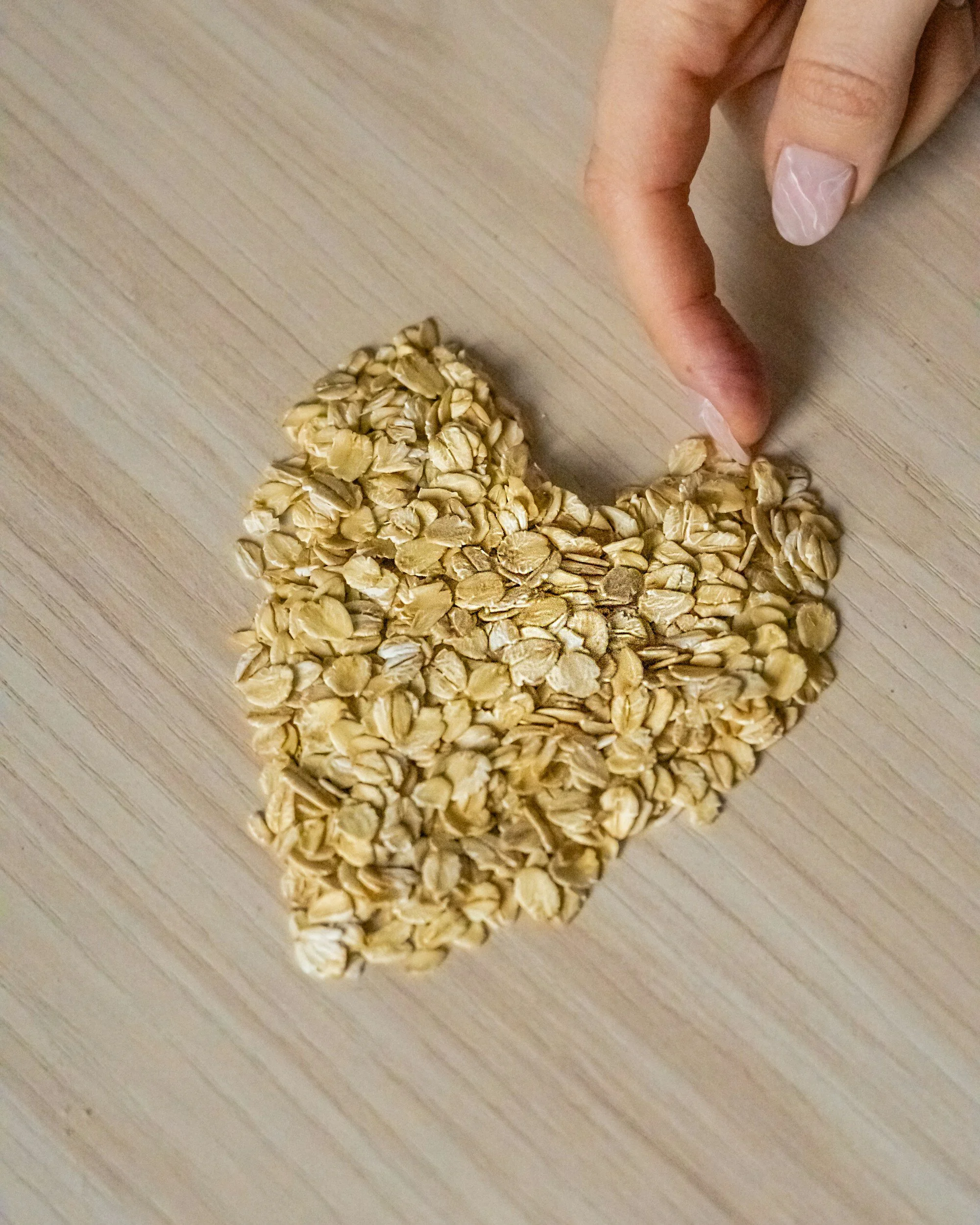
High cholesterol is a major risk factor for heart disease and stroke, two leading causes of death worldwide. LDL cholesterol (“bad” cholesterol) can build up in your arteries, causing blockages and reducing blood flow. Meanwhile, HDL cholesterol (“good” cholesterol) helps remove LDL from your bloodstream. Managing these levels through natural methods can significantly improve heart health and reduce your risk of serious complications.
How Much Cholesterol Is Too Much?

The ideal cholesterol levels can vary depending on your age and overall health, but generally, total cholesterol should be less than 200 mg/dL. For LDL, often called “bad” cholesterol, levels below 100 mg/dL are considered optimal. On the other hand, HDL, or “good” cholesterol, should generally be at 60 mg/dL or higher to offer protective benefits for your heart. Regular blood tests are important to monitor your cholesterol levels and help guide any necessary lifestyle or medical adjustments.
Natural Ways to Lower Cholesterol
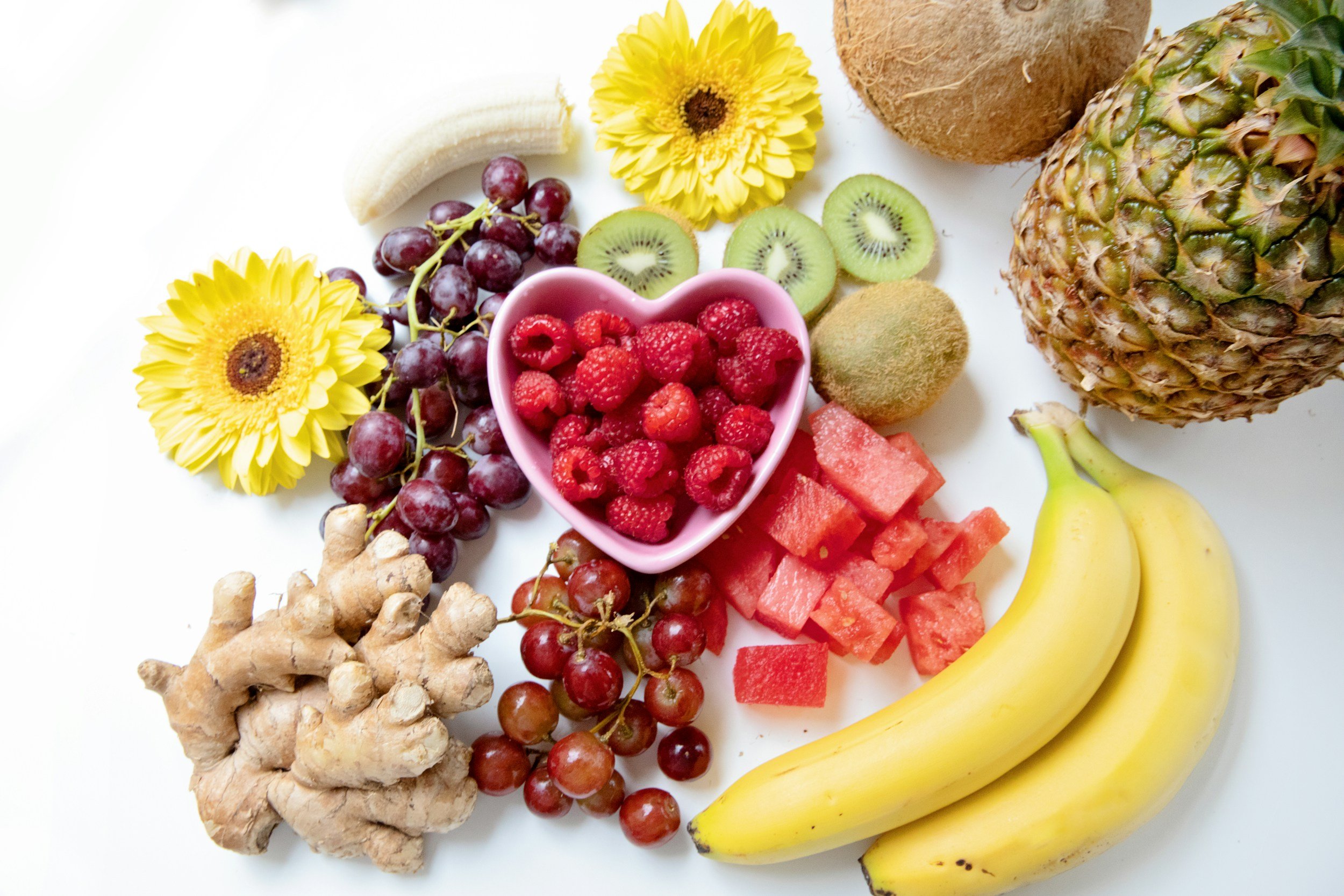
1. Eat Heart-Healthy Foods
One of the most effective natural ways to lower cholesterol is by eating heart-healthy foods. Increasing your intake of soluble fiber found in oats, barley, beans, lentils, and fruits like apples and berries can help reduce LDL cholesterol. It’s also important to choose healthy fats by replacing saturated and trans fats with monounsaturated and polyunsaturated fats, which are abundant in olive oil, avocados, nuts, and fatty fish such as salmon. Additionally, limiting cholesterol-rich foods like red meats, full-fat dairy, and processed items high in unhealthy fats supports better cholesterol management and overall heart health.
2. Get Regular Exercise
Aim for at least 150 minutes of moderate aerobic exercise per week, such as brisk walking, swimming, or cycling. Exercise helps raise HDL cholesterol and lowers LDL, while supporting overall cardiovascular health.
3. Maintain a Healthy Weight
Even modest weight loss can improve cholesterol levels and reduce heart disease risk. Combine healthy eating with physical activity for sustainable results.
4. Quit Smoking and Limit Alcohol
Smoking lowers HDL cholesterol and damages blood vessels, while excessive alcohol intake can raise triglycerides and cholesterol. Quitting smoking and drinking alcohol in moderation support better cholesterol management.
5. Manage Stress
Chronic stress may negatively impact cholesterol and heart health. Practice relaxation techniques like meditation, deep breathing, or yoga to keep stress in check.
Foods to Avoid for Cholesterol Control
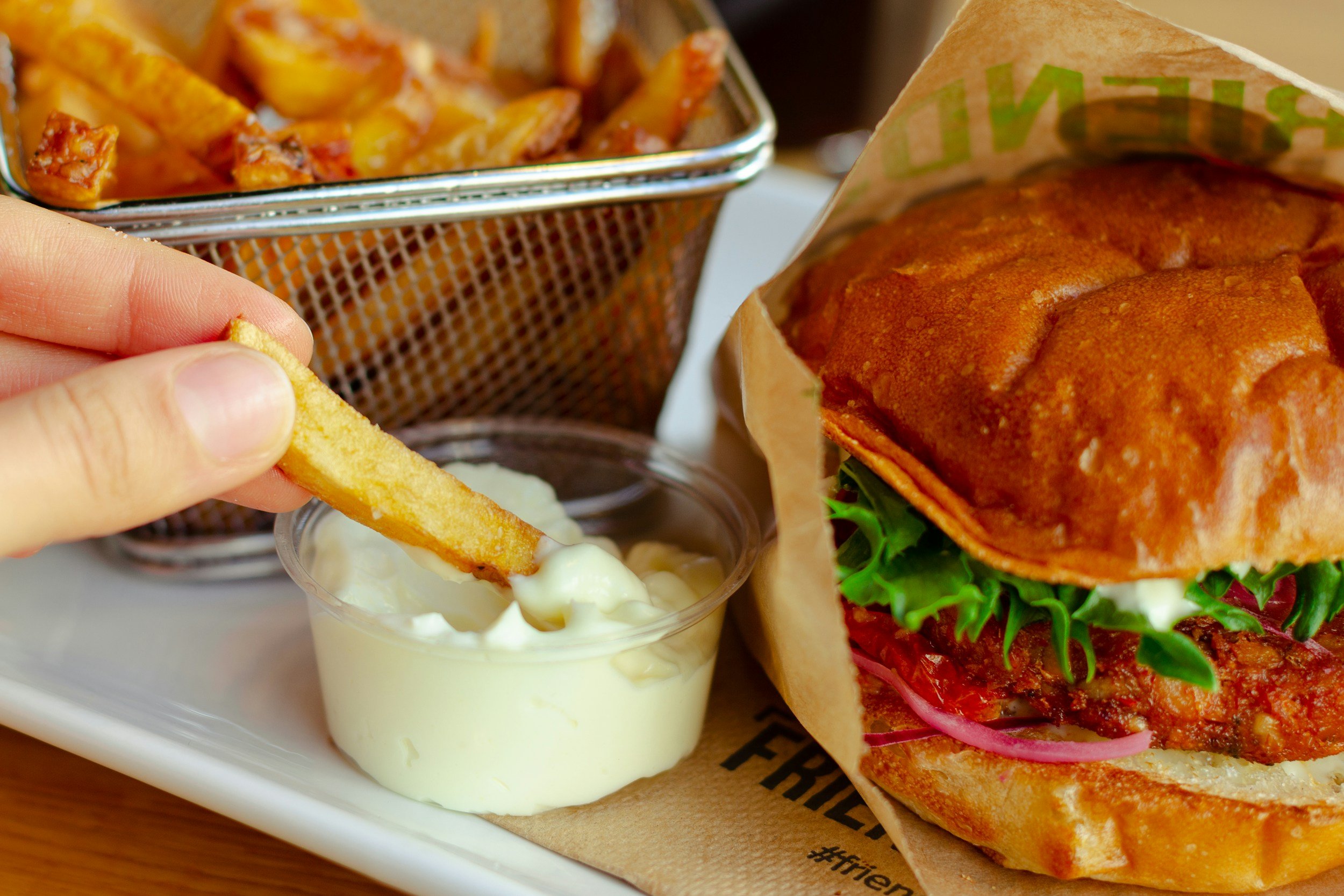
Fried and processed foods - often high in unhealthy fats and calories, which contribute to increased cholesterol and weight gain.
Trans fats found in some baked goods and margarine - commonly found in some baked goods like cookies, pastries, and certain margarines, are particularly harmful because they raise LDL cholesterol while lowering HDL (good) cholesterol.
High-fat dairy and fatty cuts of meat - full-fat cheese, butter, and cream, as well as fatty cuts of meat like bacon and sausage, contain saturated fats that can increase cholesterol levels.
Sugary beverages and excessive refined carbs - like soda, candy, white bread, and many processed snacks can lead to higher triglyceride levels and promote cholesterol imbalances.
When to See a Doctor
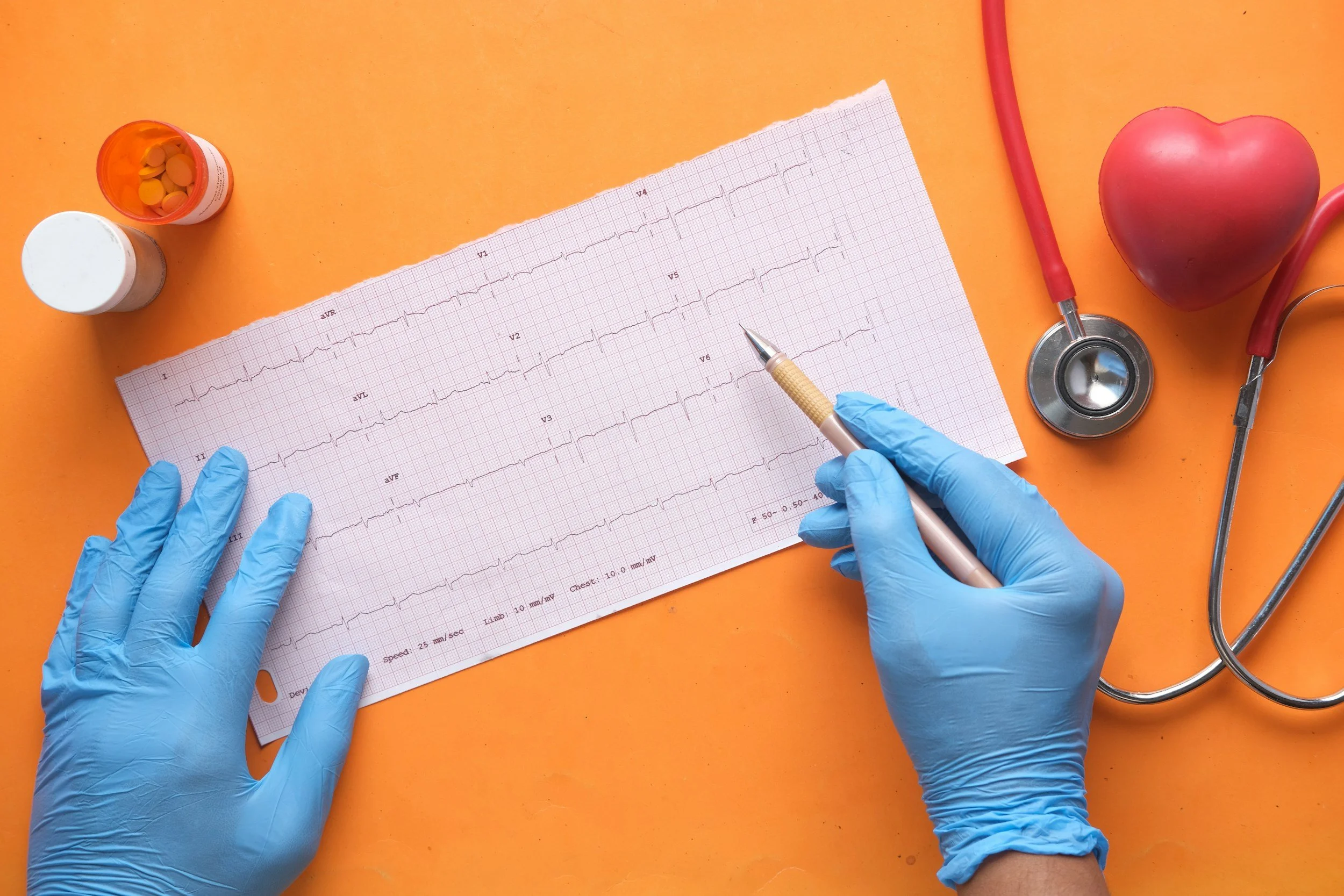
If lifestyle changes aren’t enough, your doctor may recommend medications like statins to help manage cholesterol. Regular checkups and blood tests ensure your heart health stays on track.
Final Thoughts

Lowering your cholesterol naturally is achievable with simple, consistent lifestyle changes. Focus on a balanced diet rich in fiber and healthy fats, stay active, maintain a healthy weight, avoid smoking, and manage stress. These habits not only reduce LDL cholesterol but also boost HDL and promote overall heart health helping you live a longer, healthier life.
